

App creation AI tools help:
- build apps faster with less code
- generate app logic and UI components
- automate repetitive development tasks
- support rapid prototyping and testing
These tools simplify app development and help teams launch products faster.






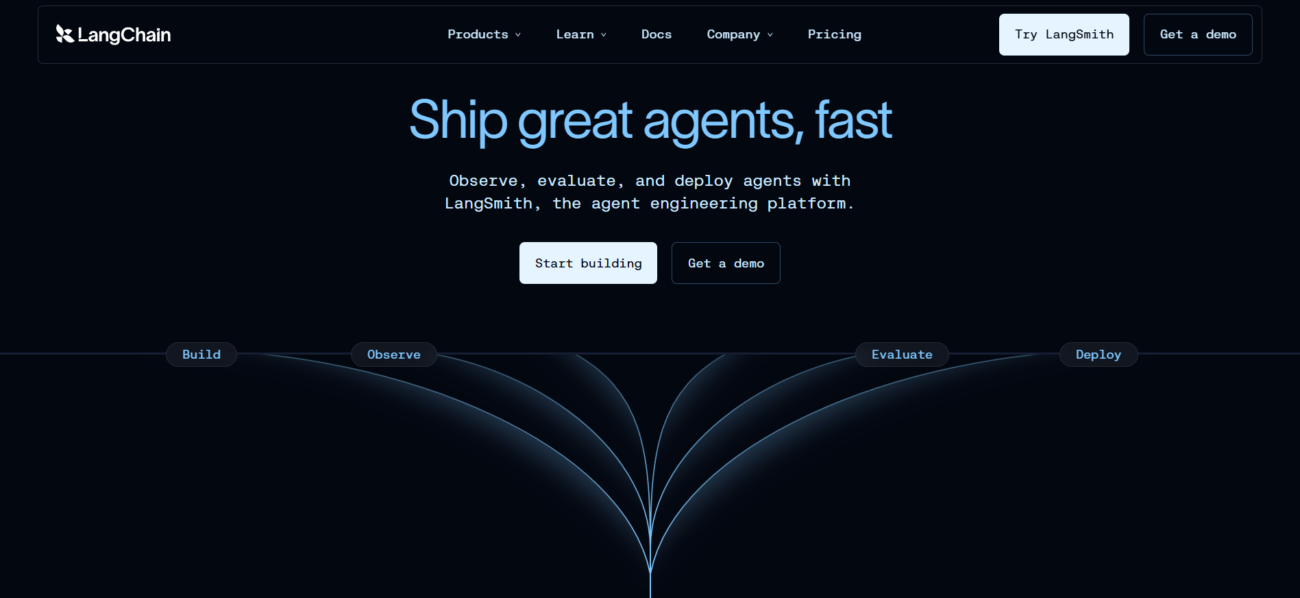
LangChain is the foundational framework for building applications powered by large language models (LLMs). By 2026, it has matured into a three-pillar ecosystem: LangChain for modular component chains, LangGraph for building complex, stateful multi-agent workflows with loops and retries, and LangSmith for production-grade observability and testing. It allows developers to treat LLMs as reasoning engines, connecting them to real-world data and tools to execute meaningful work rather than just generating text.
LangChain is primarily a developer-first platform accessible through high-performance Python and JavaScript/TypeScript SDKs. You can build and test applications on your Desktop, manage their lifecycle through the Web-based LangSmith dashboard, and deploy them as RESTful APIs using LangServe. For enterprise users, the 2026 platform supports hybrid and self-hosted deployment options, ensuring that sensitive data—such as client records or internal financial logs—can remain within a private cloud or VPC.
LangChain is best known for popularizing the concepts of “Chains” and “Agents,” serving as the glue that connects AI models to external services. It is highly regarded for its LangGraph orchestration, which introduced “human-in-the-loop” capabilities, allowing AI agents to pause for approval from a person before performing critical tasks like sending a Slack message or updating a HubSpot deal. In 2026, it is recognized as the definitive “Agent Engineering Platform,” used by the world’s leading tech companies to turn experimental prototypes into reliable, autonomous business systems.

AI code tools help developers write, debug, and understand code faster across the development process.

AI data analysis tools analyze data, uncover patterns, and generate insights to support better decisions.

AI integrations connect AI tools with existing platforms to streamline workflows and automation.

AI natural language processing helps software understand, analyze, and work with human language.

AI team collaboration tools support shared workspaces and structured teamwork around AI workflows.
Automation AI tools help:
These tools streamline operations and help teams work more efficiently.
Development AI tools help:
These tools help teams build, test, and ship software more efficiently.
Education AI tools help:
These tools help educators and learners save time and improve educational results.
Research AI tools help:
These tools help researchers work more efficiently and focus on analysis instead of data gathering.
Startups AI tools help:
These tools help startups move faster and compete with limited resources.
Features:
Features:
Features:
Pricing information is provided for reference only and may change.
For the most up-to-date pricing, please visit the
official website
.



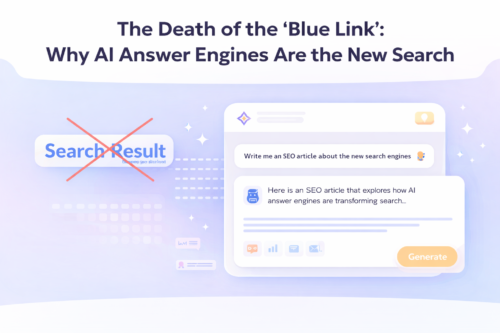

If 2023 was the year we learned to chat, 2026 is the year we stop...
Leave a comment